PhilaPort’s Improvements to Create Jobs
PhilaPort (the port of Philadelphia) is the ideal alternative for attracting cargo transport shippers/carriers from rival ports in New York and Baltimore. Major projects underway at its marine terminals include upgrading their infrastructure, developing near-dock cold storage facilities, building a warehouse for wood-pulp products and constructing an auto berth for accommodating roll-on/roll-off cargo imports/exports,
These expansion improvements will create up to 2,000 waterfront jobs and about 7,000 jobs for truckers, rail workers, suppliers and port-related businesses, over the next decade. Another important development is to deepen the channel of the Delaware River, from 40’ to 45’ depth, as far as Philadelphia’s harbor. Investing in the port’s infrastructure will reap significant economic returns and benefits to the state, allowing Philadelphia to globally compete..
Read More
China Changes Import/Export Customs Rules
China’s General Administration of Customs (GACC) has announced that, as of today, June 1st, it is amending its advance cargo information requirements for imports and exports! The GACC wants to heighten control of incoming/outgoing ships, aircraft and their cargo by using data declaration. However, the GACC needs to disseminate additional information,
Consignor Contact Number Consignor Specific Contact Name Consignor Enterprise Registration Code or Unified Social Credit Code Consignee Contact Number Consignee Specific Contact Name Consignee Enterprise Registration Code or Unified Social Credit Code Notifier Contact Number (if consignee is TO ORDER) Notifier Specific Contact Name (if consignee is TO ORDER) Notifier Registration Code or Unified Social Credit Code (if consignee is TO ORDER) Complete and accurate brief description of goods Prior to arrival or departure, manifest data must be transmitted to the GACC, within the time frames prescribed, per mode of transportation. Additionally, in a previous alert, Air Canada advised that from June 1st, it will be mandatory to include the shipper code and contact identifier on the Master AWB and House AWB, for all shipments destined to or transiting through China! Shippers should be aware of the new rules, especially for air freight, due to the effective date of June 1st..
Read More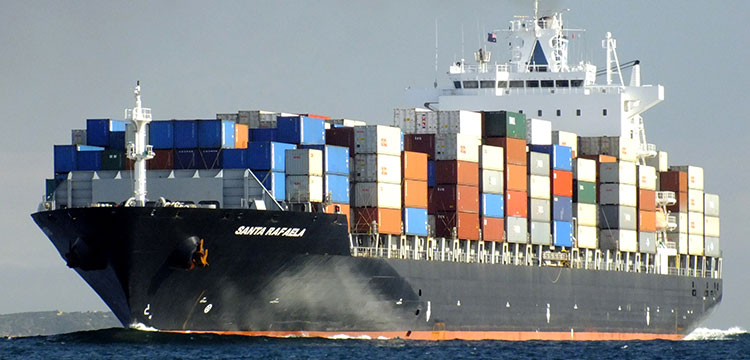
Cargo Ship Lost Containers Overboard
YM Efficiency, a Liberian-registered ship, reported a loss of 83 containers of cargo overboard, as it sailed from Kaohsiung, Taiwan to Port Botany, Australia. These containers were sighted 100 meters offshore at Fingal Head and Boondelbah Island. Additionally, 30 more containers on the ship sustained damage.
Skippers and crew are urged to be on the lookout for the freight contents, which may pose a threat and hazard to vessels. The recovery and removal of the cargo is the responsibility of the vessel’s operator. Any sightings of the packages should be reported to the Australian Maritime Safety Authority (AMSA), which has already issued navigational warnings.
Read More
Shipping Cargo Know-How
Shippers, importers and forwarders involved in shipping goods (non-hazardous, hazardous) are all responsible for properly documenting and packing their contents. They must ensure that all cargo is properly marked, so the manifesting vessels can correctly position it in the safest configuration for the journey. Placards, DG training and workforce compliance should be mandatory.
If a catastrophe such as a fire should strike a vessel, all parties involved are financially responsible to the ship and are to proportionally share the losses, resulting from the fire, under the General Average declaration.
Read More